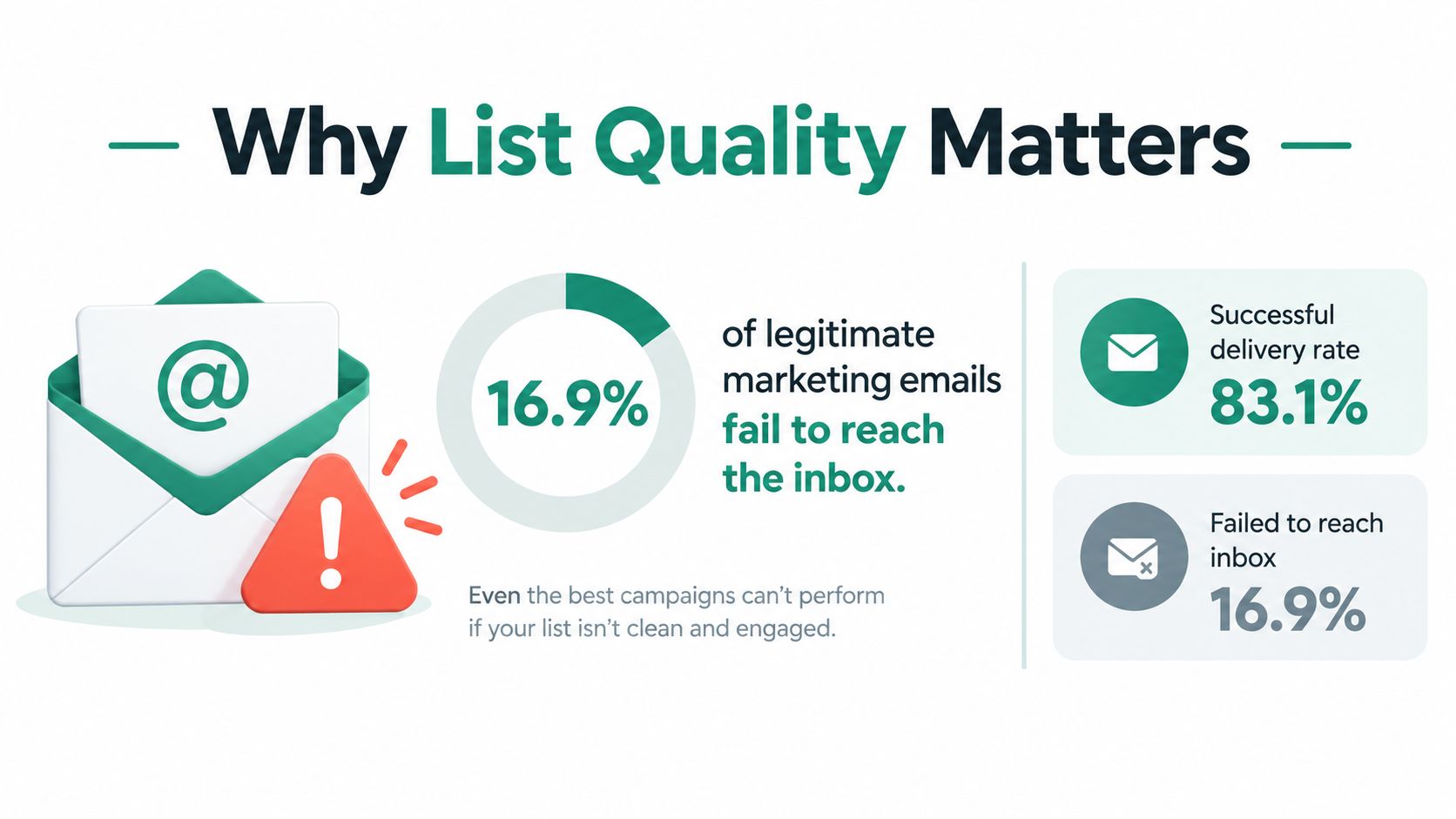
Roughly 16.9% of legitimate marketing emails fail to reach the inbox, so list quality and verification must be treated as core marketing work from the first address you collect. A smaller, current email address list for marketing is usually more valuable than a larger database filled with stale, risky, or unpermissioned contacts.
List growth still matters, but subscriber count is a poor proxy for campaign health. The useful question is whether the right people can receive, recognize, and engage with your messages. That requires a system for sourcing contacts, documenting permission, verifying addresses, segmenting audiences, and removing records that no longer deserve a send.
Why List Quality Matters More Than List Size
A legitimate campaign can fail before anyone reads the subject line. Industry reporting places the share of legitimate marketing emails that miss the inbox at roughly 16.9%, with average inbox placement around 83.1% across major providers. The same reporting found that only 23.6% of businesses verify their lists before every campaign, while 60.3% identify spam filtering as their top inbox barrier and 27% describe list hygiene as a major challenge. These figures are reported in Sender's email marketing statistics.
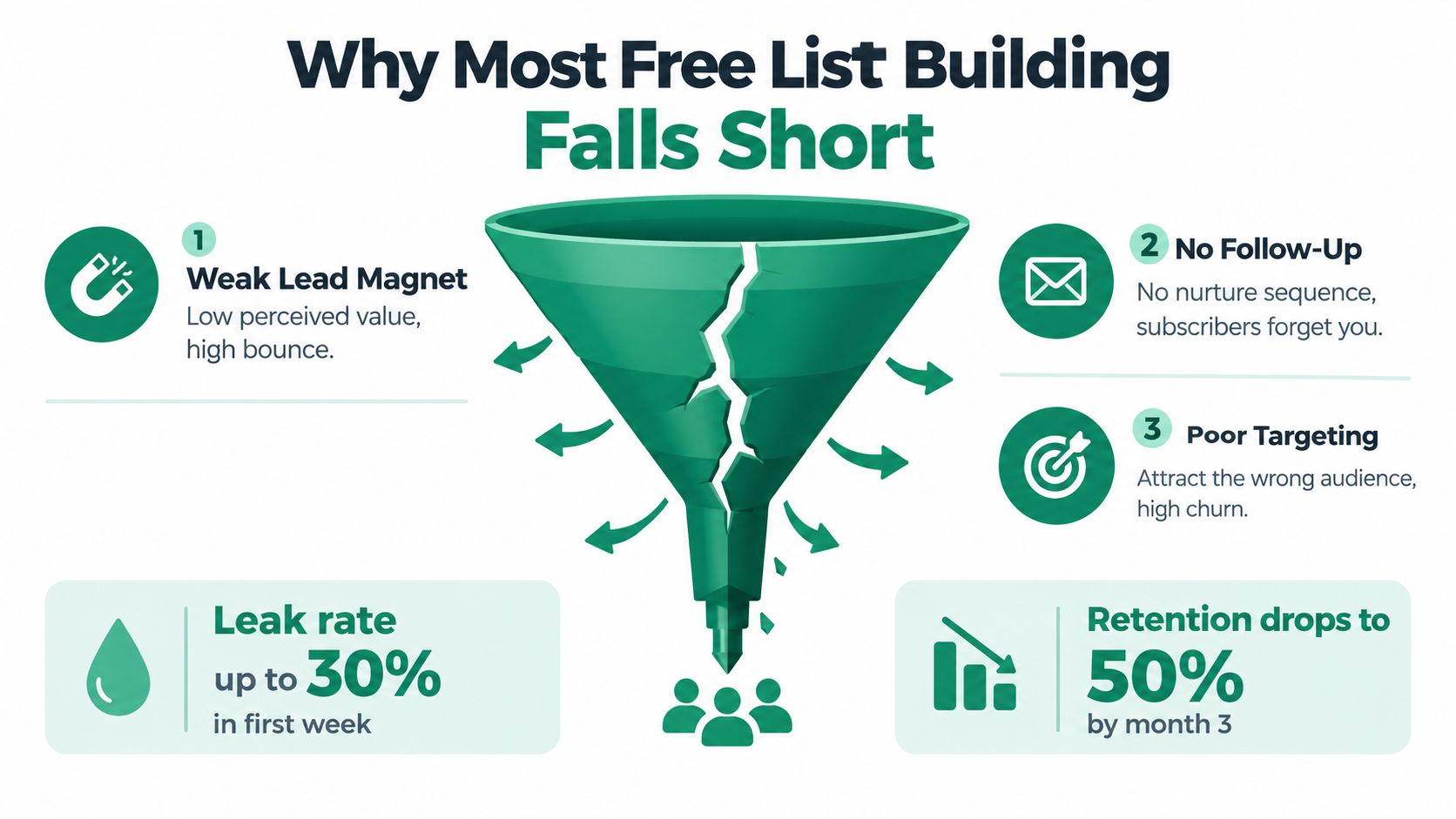
That gap between collection and maintenance is where many campaigns lose value. A marketer may spend time creating a lead magnet, buying traffic, or prospecting decision-makers, then send to addresses that have become inactive, contain typos, or belong to people who never expected the message. The result isn't just a few failed deliveries. Repeated bounces, spam complaints, and irrelevant sends can weaken the sender's reputation and make future campaigns harder to place.
Practical rule: Treat every address as a permission and deliverability record, not as a permanent row in a spreadsheet.
What list size hides
A purchased database can look productive because it adds contacts quickly. It often lacks reliable information about how the address was collected, whether the person expects your brand, or whether the mailbox is still active. Scraped data has a similar weakness. Public availability doesn't automatically establish marketing permission, relevance, or freshness.
List decay makes the problem persistent. Reporting cited by Clearout's email data quality benchmark says about 23% of checked emails were invalid or risky in 2025. The same source describes decay as a reason some marketing emails fail to reach the inbox. Your acquisition process therefore needs a refresh process from day one.
A useful operating dashboard includes inbox placement, hard bounces, spam complaints, unsubscribes, clicks, and engagement by mailbox provider. Don't judge a list by its total records alone. Judge it by the proportion of contacts who are valid, expected, reachable, and still interested.
For teams that need a deeper operational review, email data quality guidance can help frame the checks that belong between contact collection and campaign launch.
Building Your Email List with Proven Search Techniques
Public prospecting works best when the search starts with a defined audience rather than a vague desire for more contacts. Specify the profession, location, company type, and likely business need before opening a search engine. A query such as marketing director Amsterdam "@company.com" narrows the results by role, place, and visible domain context. You can also test a target domain, a company name, or a professional phrase that appears on relevant pages.

A practical search workflow
Define the buying role: Search for the person who owns the problem, such as a demand generation manager, founder, recruiter, or sales operations lead. A job title gives the search a commercial purpose.
Add a location or market: Include a city, country, language, or industry term when geography matters. This reduces irrelevant results and makes later personalization more credible.
Use domain clues carefully: Operators such as
"@gmail.com"or"@company.com"can surface pages containing visible addresses, but they don't prove that the address is current or that the person has consented to promotional email.Capture context with the address: Record the page URL, company, role, name, and reason the contact may be relevant. Context lets you write a useful message and gives your team a basis for reviewing the record later.
A Chrome extension can support this workflow by identifying addresses on the page, saving selected results, and exporting a file for review. Configure AutoSave only after deciding what fields you need and where the records will be stored. A convenient capture process shouldn't become an uncontrolled database.
The guide to finding email addresses is useful when you need to compare page-level discovery with a broader prospecting workflow. For more ideas on building a focused outbound audience, review these ways to build outbound lists, then adapt the method to your market and permission requirements.
Scaling without losing judgment
If a search results page shows only a small number of entries, changing the URL parameters to display more results can reduce repetitive navigation where the search engine supports that setting. More results don't equal more usable contacts, though. Review each batch, remove obvious personal or irrelevant addresses, and pass the remaining records through verification before importing them into a CRM or email platform.
Use this embedded walkthrough as a visual reference for the collection workflow:
The ethical boundary is straightforward. Collect information that is publicly available for a legitimate business purpose, minimize the data you retain, respect opt-outs, and avoid treating a discovered address as blanket permission for every marketing channel. For newsletters and automated campaigns, use a consent-based signup whenever possible. For outbound prospecting, keep the message relevant, identify yourself clearly, offer a simple way to decline future contact, and check the rules that apply to the recipient's location.
Segmentation Strategies for Higher Engagement Rates
A raw list becomes useful when every contact receives a message that matches their situation. Start with a small number of meaningful fields rather than building an elaborate taxonomy nobody maintains. In most programs, role, company context, geography, source, and recent engagement provide enough structure to make the first major improvement in relevance.
Choose segments that change the message
Segment by job role when the problem differs by responsibility. A sales leader may care about pipeline visibility, while a marketing manager may care about campaign attribution. Segment by company size or operating model when implementation constraints differ. A founder may want a lightweight process, whereas a larger team may need permissions, integrations, and reporting.
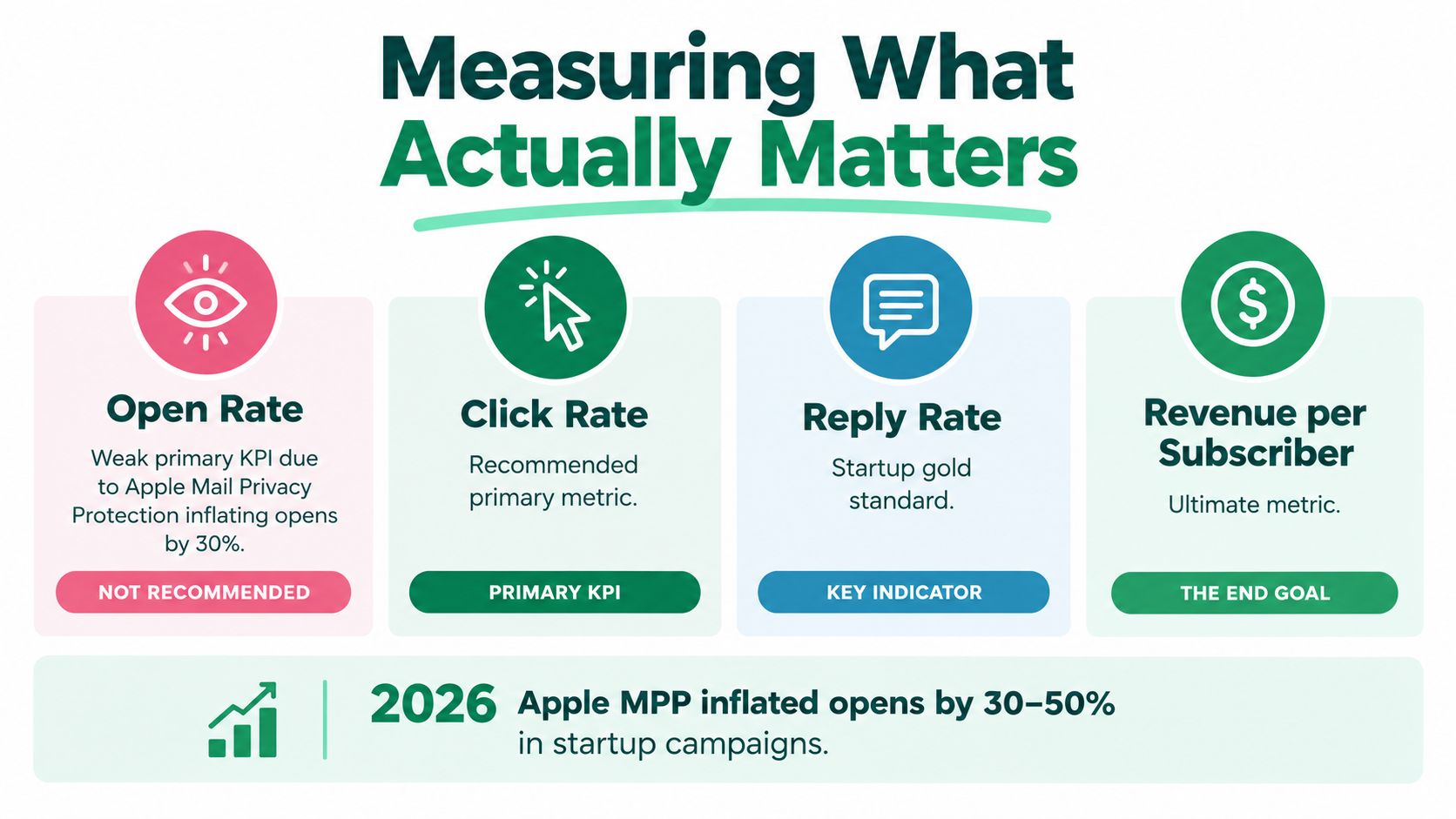
Geography matters when language, working hours, regulation, or market conditions affect the offer. Source matters too. Someone who downloaded a deliverability checklist has a different immediate need from someone who registered for a product demonstration. Engagement history adds another useful layer, but don't confuse an open with genuine intent. Use clicks, replies, site visits, conversions, and recent activity where those signals are available.
| Segmentation Type | Best For | Expected Impact |
|---|---|---|
| Job role | Matching pain points and vocabulary to responsibility | More relevant copy and better-quality replies |
| Company context | Adjusting examples, implementation detail, and offer size | Fewer mismatched pitches |
| Geographic location | Aligning language, timing, and regional requirements | More appropriate delivery and follow-up |
| Acquisition source | Continuing the conversation begun at signup or an event | Stronger message continuity |
| Engagement history | Separating active readers from inactive records | Better send decisions and fewer wasted contacts |
A simple decision rule prevents over-segmentation. If a segment changes the subject line, offer, proof, timing, or call to action, keep it. If it only creates another label without changing the campaign, leave it out.
For teams reviewing how other organizations present their people and operating context, sobre y su equipo offers a useful example of the kind of company information that can inform audience grouping. The principle is more important than the source: collect only attributes that help you communicate with greater relevance.
Build engagement tiers
Use an active group for contacts who recently clicked, replied, purchased, or completed a high-intent action. Send this audience your clearest next step. Keep a developing group for contacts who have shown some interest but haven't taken a meaningful action, and give them education or a narrower offer.
An inactive group needs a different treatment. Send a short re-engagement message that explains what the recipient will receive and gives them a clear choice. If the person remains unresponsive, suppress the address rather than repeatedly trying to manufacture engagement. The mechanics of implementing these groups are covered in this email segmentation workflow.
Comparing List Building Methods by Risk and ROI
A large list can produce a smaller return if its addresses are stale, poorly matched, or difficult to verify. Each acquisition method trades speed against context, permission, review time, and deliverability. Compare the source and its maintenance burden before comparing subscriber counts.
| Method | Cost | List Quality | Legal Risk |
|---|---|---|---|
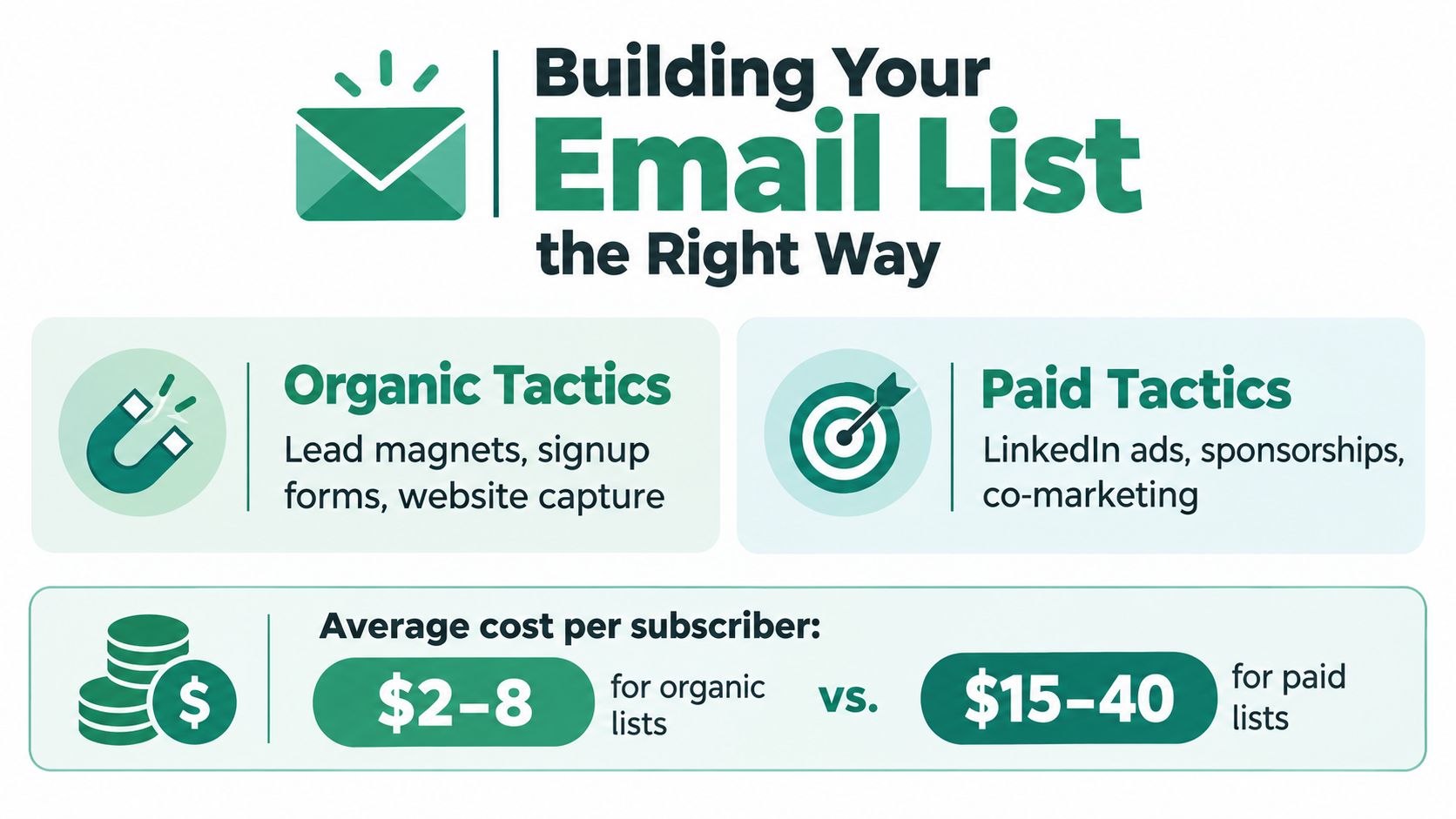
| Organic signup through content and lead magnets | Requires content, promotion, and ongoing optimization | Usually strong intent when the offer matches the visitor's need | Lower when consent and expectations are documented |
| Manual prospecting from public business information | Requires research time and verification | Can be highly relevant, but quality depends on targeting and review | Requires careful assessment of jurisdiction, purpose, and outreach rules |
| Purchased contact lists | Appears fast and convenient | Often uncertain, stale, or poorly matched to the sender | High because permission, provenance, and suppression history may be unclear |
| Event or webinar registration | Requires an event, partner, or registration offer | Useful when the follow-up matches the event context | Depends on the registration language and how marketing permission was presented |
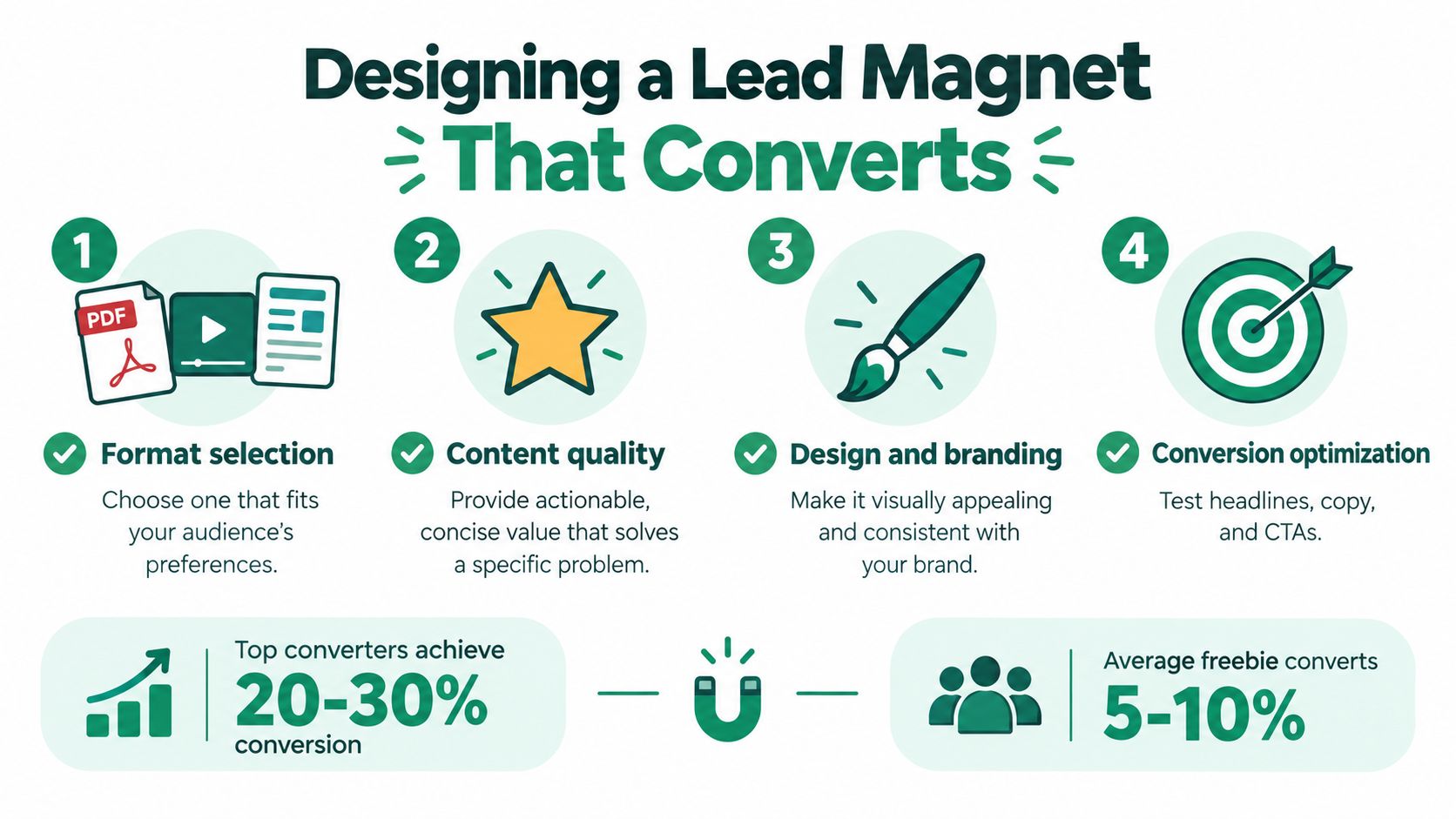
Organic acquisition grows more slowly, but subscribers have a clear reason to recognize your brand. A useful checklist, template, webinar, or product update can attract people around a defined problem. The trade-off is the work required to create a credible offer, promote it, and verify that new addresses remain deliverable. Strong acquisition followed by weak list maintenance can still reduce inbox placement below the level your campaigns need.
Manual prospecting can produce strong relevance when the researcher records the contact's role, company, and business context. It also creates a substantial verification burden. Check addresses before sending, and keep prospecting records separate from opted-in subscribers until the sending basis and message type are clear. A carefully reviewed prospect list may support targeted outreach, while the same records can damage deliverability if they are imported into a broad newsletter without permission or freshness checks.
Purchased lists offer speed without providing a reliable relationship. The seller may not supply collection context, current status, or evidence that recipients expect your company. Apollo's discussion of never buying email lists connects purchased data with compliance concerns and deliverability risk. The apparent saving in acquisition time can disappear through bounces, complaints, suppression work, and weaker inbox placement.
Event registrations work well when follow-up reflects the promise made on the form. A person who registered for a session on technical SEO should not immediately receive an unrelated sales sequence. Store the event and consent context, verify addresses where appropriate, and let the first message confirm the relationship. This method can offer strong ROI when the campaign uses that context, while generic follow-up wastes the trust created during registration.
Maintaining List Hygiene and Legal Compliance
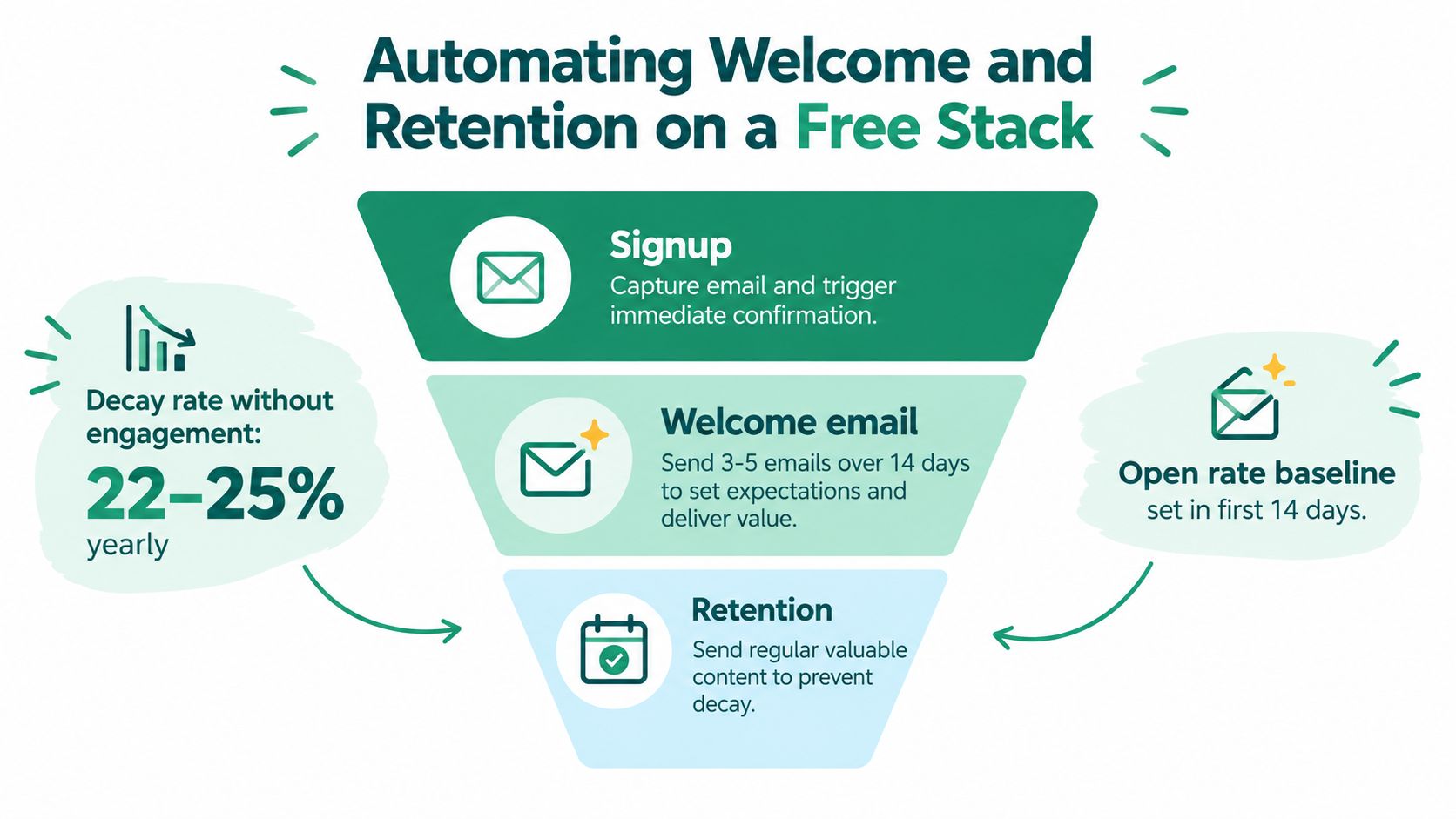
Freshness is an operating discipline, not a repair job after a campaign fails. Validity reported average inbox placement at just under 85% in 2022 and combined bounce rates of about 1.5% for permission-based programs in its Email Deliverability Benchmark. Use those figures as practical guardrails: watch hard bounces closely, keep them well below the commonly accepted 2% threshold, and re-verify records that have gone stale. List freshness and verification often determine whether a carefully built audience reaches the inbox.
Use a repeatable hygiene workflow
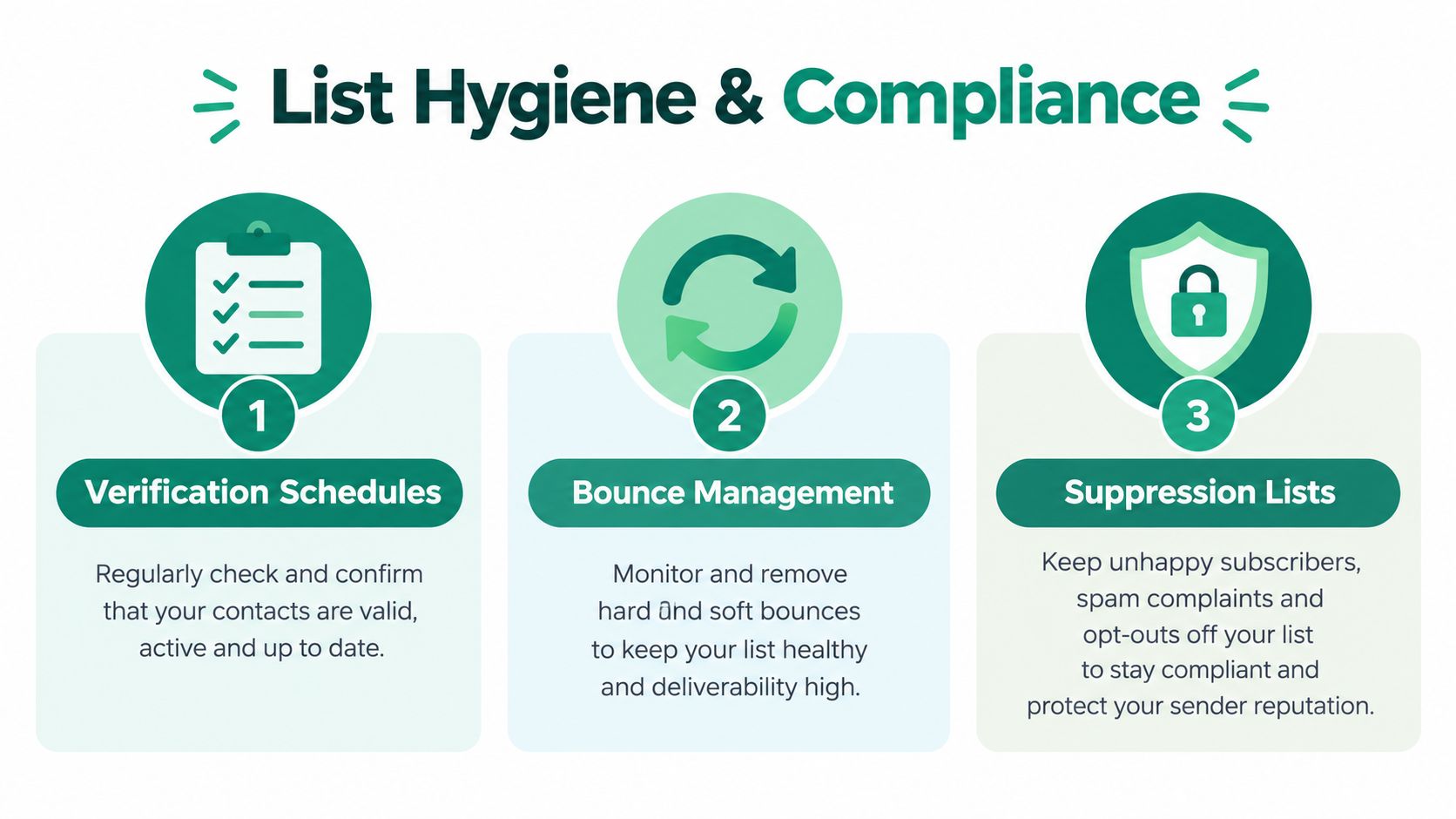
Before each important campaign, check newly collected addresses, remove known hard bounces, and confirm that suppressed contacts remain excluded. Remove a double-bounce address from active sending immediately. Repeatedly retrying a mailbox after a permanent delivery failure adds risk without creating reach.
Re-verify older records before reactivation. Set the interval according to audience turnover, sending frequency, and collection method. A fast-changing prospect database needs closer attention than a stable subscriber file. Define the cadence in advance instead of waiting for rising bounces or spam complaints to force a decision.
Provider-level reporting can reveal weaknesses hidden by an overall average. Brevo's 2026 benchmark reports inbox placement of 87.2% on Gmail, 75.6% on Microsoft, 86.0% on Yahoo, and 76.3% on Apple. It also reports missing rates as high as 9.8% on Microsoft and 9.4% on Apple, plus spam-folder placement of 14.6% on Microsoft and 14.3% on Apple. Review Brevo's email marketing benchmarks for the provider breakdown, then segment your own reporting by mailbox domain.
Keep permission evidence with the record
A deliverable address does not by itself establish a valid marketing relationship. Store the signup source, timestamp, form language, campaign or event context, and each relevant consent choice. Maintain a suppression list covering unsubscribes, complaints, invalid addresses, and contacts your organization must not approach again.
Requirements vary by audience and jurisdiction. GDPR, CAN-SPAM, CCPA, and CASL can differ on consent, sender identification, commercial messages, data rights, and opt-outs. Gmail and Yahoo bulk-sender requirements also add deliverability expectations for qualifying senders. Make consent understandable, identify the sender clearly, provide an accessible unsubscribe path, and honor suppression requests. Regional compliance and deliverability guidance offers a useful starting point, though legal advice remains necessary for specific markets.
A monthly checklist keeps the process manageable:
- Review hard bounces: Suppress permanent failures and investigate sudden increases.
- Check provider performance: Compare inbox, missing, bounce, complaint, and spam-folder signals by mailbox domain.
- Re-verify stale records: Validate contacts before reactivation or a major campaign.
- Audit consent fields: Confirm that source and permission evidence remain attached to each audience.
- Process disengagement: Run a re-engagement path for inactive contacts, then suppress those who do not respond.
Putting It All Together, Your Email List Action Plan
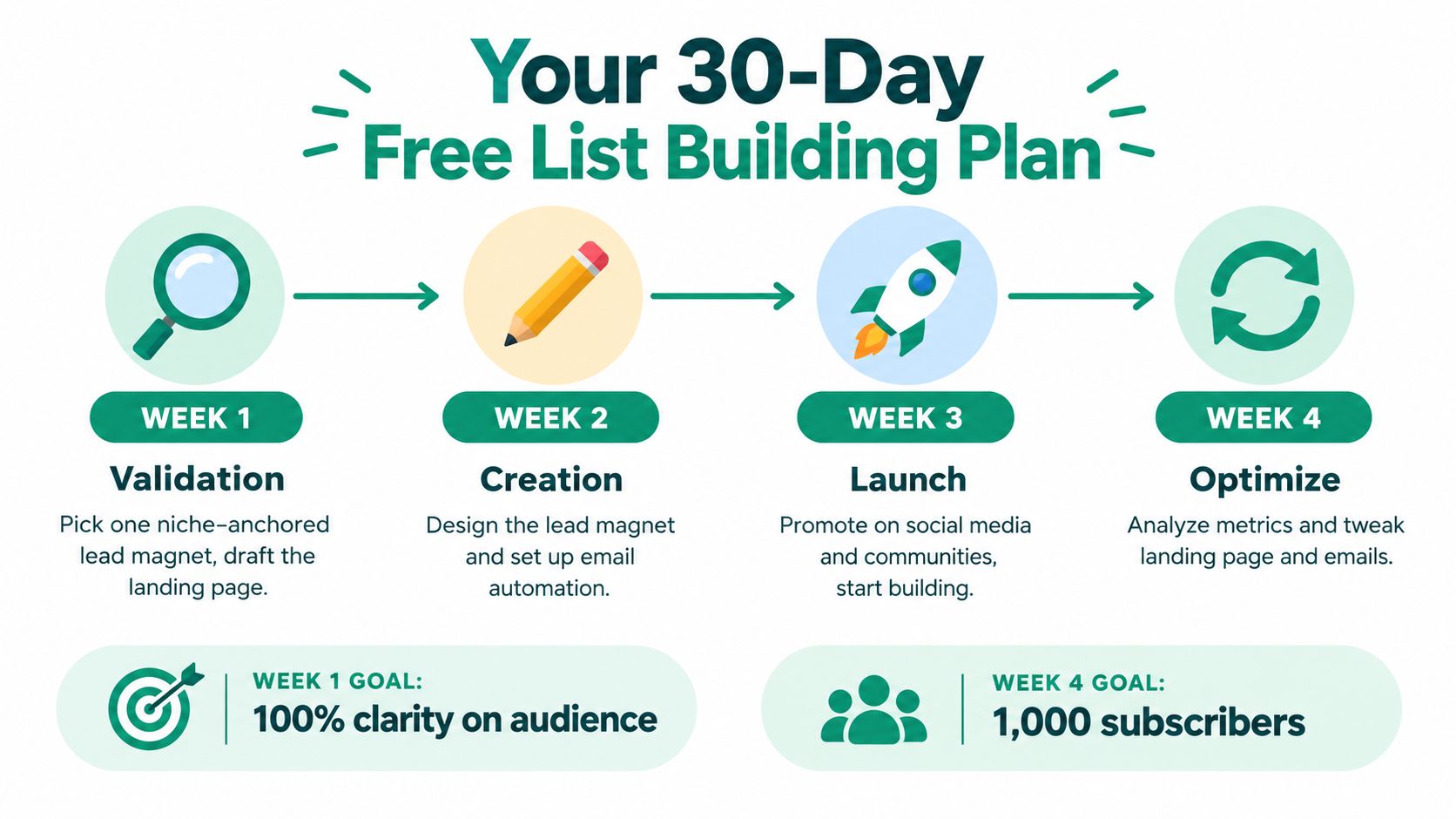
Build the system in the order that protects future sends. Start with a defined audience and a useful reason for someone to join. Add contacts through signup forms, relevant content, events, or carefully reviewed business prospecting. Keep opted-in subscribers and outbound prospects in distinct audiences until the basis for communication is clear.
Use this implementation sequence:
- Create the data model: Store name, role, company, source, date collected, permission context, provider domain, and engagement signals.
- Set the intake rule: Reject incomplete or irrelevant records before they enter the active audience.
- Verify before sending: Check new addresses and re-check stale records. Remove hard bounces and known suppressions.
- Apply useful segments: Begin with role, source, geography, and engagement. Add a field only when it changes the message or send decision.
- Launch a controlled campaign: Start with the most relevant audience and review inbox placement, bounces, complaints, clicks, replies, and unsubscribes.
- Review by provider: A strong overall result can hide weak performance at a particular mailbox domain, so inspect provider-level results after every meaningful send.
- Document the decision: Record what changed, which records were suppressed, and what the next verification or re-engagement action will be.
A practical search template might combine a role, location, and domain clue, such as "demand generation manager" Dublin "@company.com". Treat the output as research, not as a finished marketing audience. A monthly calendar can then assign one day to suppression review, one to verification, one to provider analysis, and one to segment cleanup.
Track inbox placement as the controlling health signal, then read bounce rate and complaint rate alongside engagement. If placement declines, stop expanding the audience and inspect freshness, consent, provider concentration, and recent acquisition sources before sending again. List growth is useful only when the contacts remain reachable and expect your messages.
EmailScout helps marketers discover business email addresses from webpages, save collected contacts, scan multiple URLs, and export reviewed records for CRM or outreach workflows. Use EmailScout to support the research stage, then apply verification, segmentation, permission checks, and suppression controls before adding contacts to an active campaign.